Introduction:
Home construction is a monumental undertaking that requires careful consideration of various factors, one of the most crucial being the choice of building materials. In Nigeria, where housing affordability and durability are significant concerns, the use of red bricks has emerged as a cost-effective and sustainable solution. This essay explores the myriad benefits of employing red bricks in home construction, shedding light on how this traditional building material is shaping the future of affordable housing in Nigeria.
Historical Context:
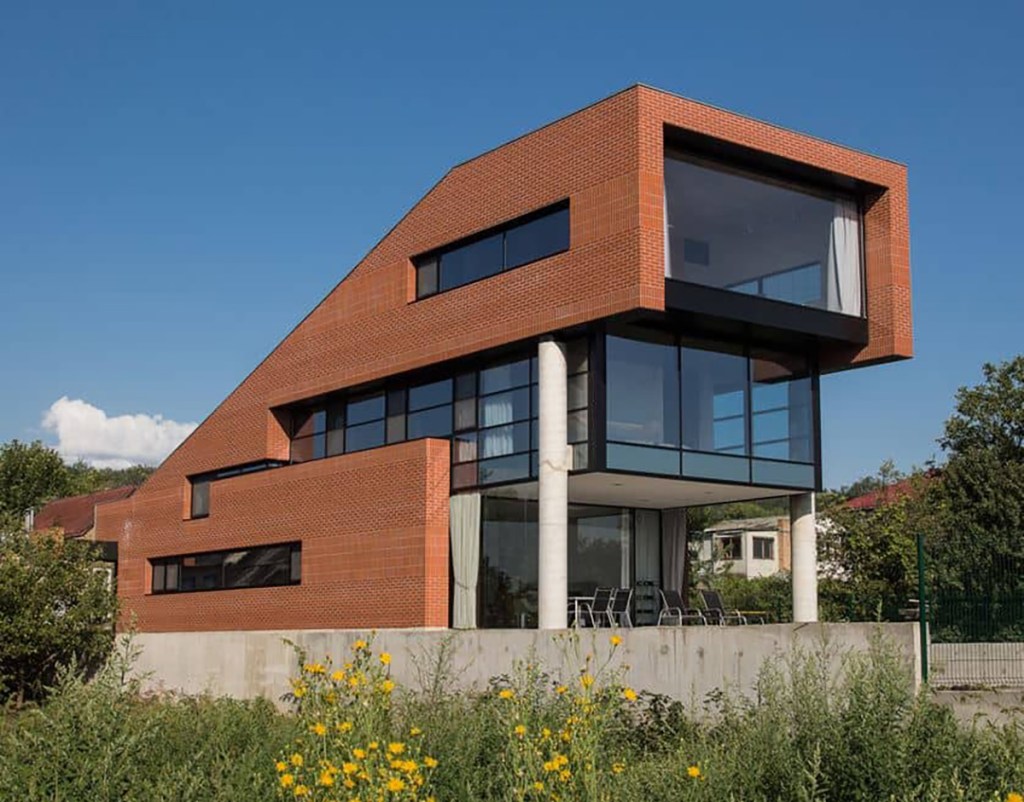
Red bricks have been a staple in construction for centuries, and their continued use attests to their enduring appeal and reliability. In Nigeria, where the climate can be both hot and humid, red bricks have proven to be particularly well-suited. The terracotta color of these bricks is not only aesthetically pleasing but also contributes to effective heat absorption, providing natural insulation against the tropical climate.
Cost-Effectiveness:
One of the primary advantages of using red bricks in home building in Nigeria is their cost-effectiveness. Red bricks are relatively inexpensive compared to alternative building materials such as concrete blocks or steel. The raw materials for red bricks, including clay and shale, are abundantly available in Nigeria, reducing transportation costs and making them a locally sourced, cost-effective option.
Furthermore, the production process of red bricks is generally straightforward, requiring less sophisticated equipment compared to some modern building materials. This simplicity contributes to lower manufacturing costs, which, in turn, translates into savings for homeowners and builders alike. As the demand for affordable housing continues to grow in Nigeria, the cost-effectiveness of red bricks positions them as a pragmatic choice for both large-scale housing projects and individual home construction.
Durability and Longevity:
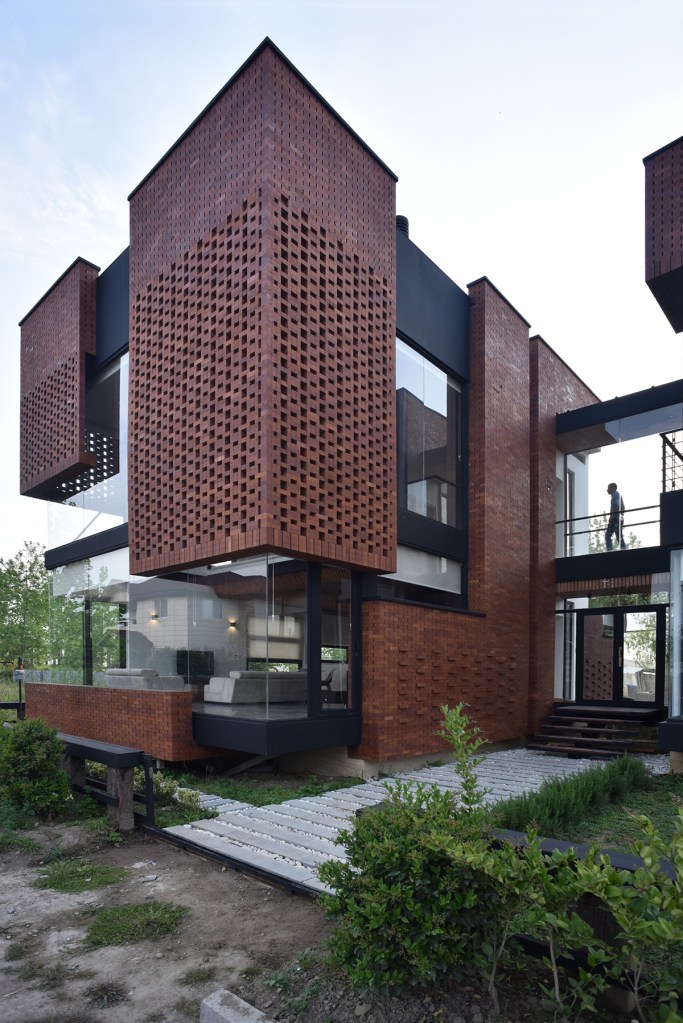
In addition to being cost-effective, red bricks boast impressive durability and longevity. Homes constructed with red bricks have proven to withstand the test of time, resisting wear and tear, and maintaining structural integrity over decades. The inherent strength of red bricks makes them resistant to pests, mold, and decay, ensuring that homes built with this material require minimal maintenance.
The durability of red bricks is particularly advantageous in the context of Nigeria’s diverse climate conditions. From the intense heat of the dry season to the heavy rains of the wet season, red brick structures demonstrate resilience against environmental challenges. This longevity not only reduces the need for frequent repairs but also contributes to sustainable building practices, as longer-lasting structures inherently decrease the demand for replacement materials.
Energy Efficiency:
Red bricks exhibit excellent thermal mass properties, which contribute to energy efficiency in homes. Thermal mass refers to a material’s ability to absorb, store, and release heat over time. In the context of red bricks, their thermal mass helps regulate indoor temperatures by absorbing heat during the day and releasing it gradually at night. This natural temperature regulation reduces the need for artificial heating or cooling, thereby decreasing energy consumption and utility costs.
The energy efficiency of red brick homes is particularly advantageous in a country like Nigeria, where access to consistent and affordable energy can be a challenge. By harnessing the thermal mass properties of red bricks, homeowners can create comfortable living spaces without relying heavily on air conditioning or heating systems, promoting sustainability and reducing the overall environmental impact of residential buildings.
Local Availability and Job Creation:
Red bricks leverage locally available raw materials, contributing to the promotion of local industries and job creation. The extraction of clay and shale, the primary components of red bricks, provides economic opportunities in communities where these resources are abundant. Local brick-making industries, often comprising small and medium-sized enterprises, play a crucial role in providing employment and fostering economic growth at the grassroots level.
By relying on locally available materials, the construction industry can reduce its dependence on imported building materials, resulting in a more sustainable and self-reliant approach to home construction. This not only strengthens local economies but also ensures a stable supply chain for construction materials, mitigating the impact of external factors such as fluctuations in global markets or transportation challenges.
Aesthetic Versatility:
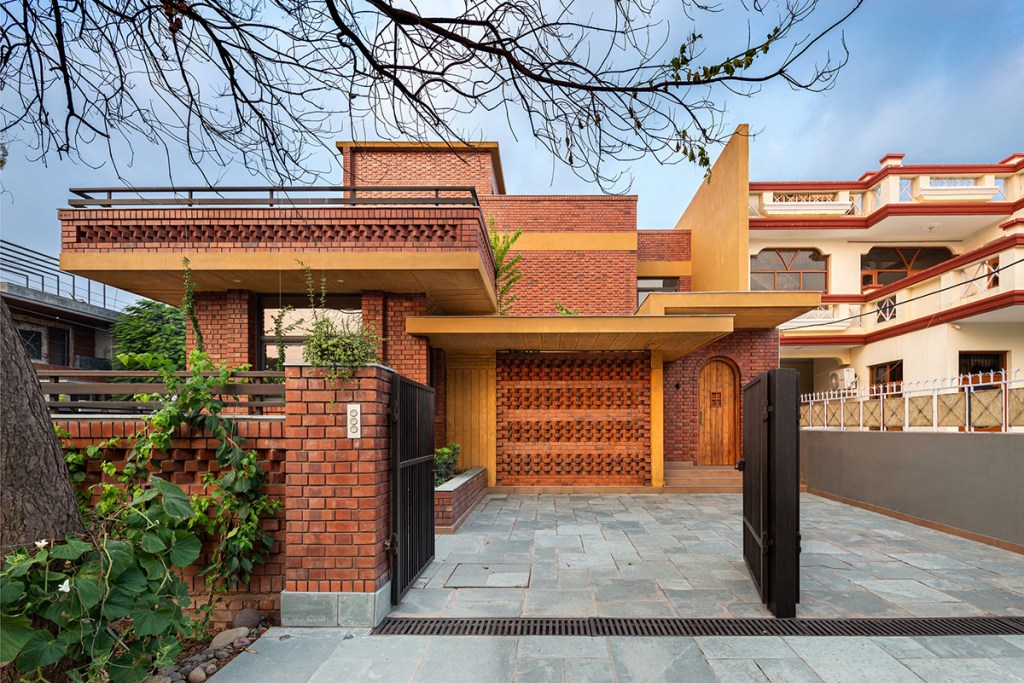
Beyond their practical advantages, red bricks offer a timeless aesthetic appeal that complements various architectural styles. Whether used in contemporary designs or traditional structures, the warm, earthy tones of red bricks add character and charm to homes. The versatility of red bricks allows builders and homeowners to experiment with different patterns, textures, and layouts, creating unique and visually appealing structures.
The aesthetic appeal of red bricks extends beyond the exterior, as they are often used for interior walls as well. The natural, rustic look of exposed brick interiors has become a popular design choice, adding warmth and authenticity to living spaces. This aesthetic versatility contributes to the popularity of red bricks in home construction, offering a balance between functionality and visual appeal.
Conclusion:
In conclusion, the use of red bricks in home construction in Nigeria emerges as a pragmatic and sustainable solution, offering a host of economic benefits. From their cost-effectiveness and durability to energy efficiency and local availability, red bricks address critical considerations in the quest for affordable and resilient housing. As Nigeria continues to grapple with housing challenges, embracing traditional yet effective building materials like red bricks represents a pathway to creating homes that are not only cost-effective but also enduring and environmentally conscious. Red bricks stand as a testament to the marriage of tradition and innovation, shaping the future of home construction in Nigeria with resilience, affordability, and a timeless aesthetic.
 MATPATO REAL ESTATE