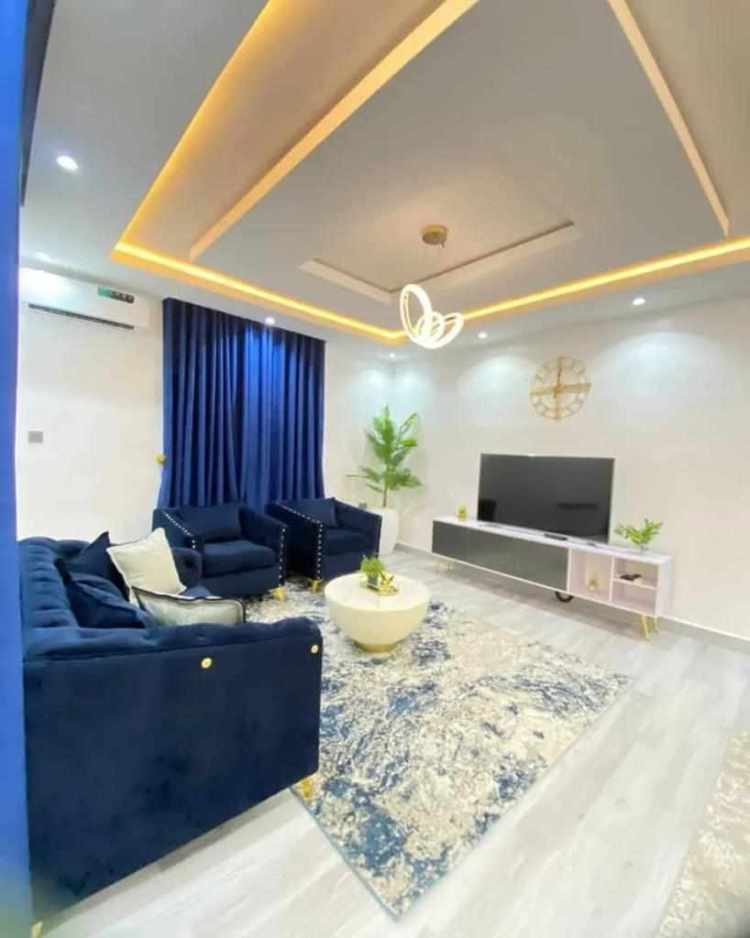
In recent years, Nigeria has witnessed a steady transformation in its technological landscape, and the home sector is no exception. As the nation continues to embrace advancements, the future of home technology in Nigeria holds immense promise, driven by a confluence of factors ranging from increased connectivity to the rising demand for convenience and efficiency.
One of the primary catalysts shaping the future of home technology in Nigeria is the proliferation of high-speed internet access. With the ongoing efforts to expand connectivity, more Nigerian households are gaining access to reliable and high-bandwidth internet. This development is pivotal for the adoption of smart home technologies that rely on seamless communication between devices. As internet infrastructure continues to improve, smart homes in Nigeria will be better equipped to leverage interconnected devices for enhanced living experiences.
The rapid urbanization observed in Nigeria is another factor influencing the trajectory of home technology. As urban areas expand, the demand for smart home solutions is likely to rise. Urban dwellers often seek technological solutions that provide convenience, security, and energy efficiency, aligning perfectly with the capabilities of smart home devices. From smart thermostats that optimize energy usage to intelligent security systems that ensure safety, these technologies are poised to become integral components of Nigerian urban homes.
Affordability and accessibility are key determinants in the widespread adoption of any technology. In the context of Nigeria, the future of home technology hinges on making these innovations more accessible to a broader population. As economies of scale come into play and manufacturing processes become more efficient, the cost of smart home devices is expected to decrease. This reduction in cost, combined with targeted marketing and education, will likely encourage more Nigerians to invest in smart home solutions.
Furthermore, the integration of smart home technologies with local infrastructure will be a crucial aspect of their success. Devices that seamlessly integrate with existing utilities and services are more likely to gain acceptance. This could include innovations in smart energy meters tailored to Nigerian power grids, or home automation systems that work seamlessly with local telecommunications networks. Such integrations enhance the user experience and contribute to the overall feasibility of smart homes in the Nigerian context.
Addressing energy challenges is a pertinent aspect of the future of home technology in Nigeria. With the sporadic nature of power supply in certain regions, there is a growing interest in smart home solutions that focus on energy efficiency. Smart lighting, energy-efficient appliances, and solar-powered devices are likely to gain popularity as Nigerians seek ways to mitigate the impact of power fluctuations on their daily lives.
Security and safety considerations will also play a pivotal role in shaping the future of home technology in Nigeria. With an increasing emphasis on personal safety and property security, smart home devices such as surveillance systems, smart locks, and alarm systems are expected to witness high demand. These technologies not only provide peace of mind but also empower homeowners to monitor and secure their properties remotely.
In conclusion, the future of home technology in Nigeria is bright and filled with possibilities. As the nation continues to embrace technological innovations, smart homes are poised to become an integral part of the urban and suburban landscape. Connectivity, affordability, integration with local infrastructure, and a focus on energy efficiency and security will be key drivers shaping the smart homes of tomorrow in Nigeria. The intersection of technological advancements and the unique needs of the Nigerian population will pave the way for a connected and intelligent living experience for homeowners across the nation.
 MATPATO REAL ESTATE